ITS News in Korea 2026 _ Article_Trend Sharing – Vol. 4 From Energy Shock to Mobility Shift: Global Mobility Trends |
|
|
From energy volatility to systemic mobility transformation, global transport networks are being reshaped across four connected fronts: public transport, logistics, EV transition, and energy security. Rising fuel costs and geopolitical pressures are no longer isolated disruptions but structural forces redefining how people move, how goods flow, and how nations secure resilience. Together, these shifts signal a broader transition where mobility is increasingly an extension of energy strategy and national competitiveness.
- Public Transport Governments expand subsidies and demand-management policies to ease cost-of-living pressure and reduce congestion
- Logistics Air and maritime routes are being rerouted, with multimodal corridors emerging to manage war risk, delays, and rising fuel costs
- EV Transition Higher fuel prices are accelerating electric vehicle adoption by improving cost competitiveness and shortening payback periods
- Energy & Security Mobility is increasingly integrated into national energy strategies, with countries diversifying supply sources and strengthening energy resilience
|
|
|
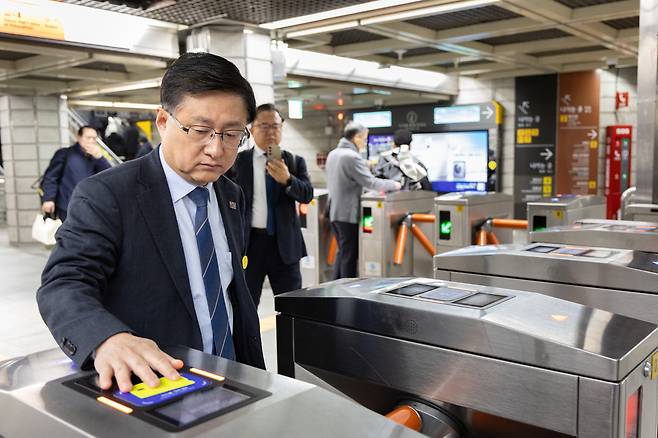
🇰🇷 Launches Task Force to Tackle Commuter Crowding
South Korea has launched a cross-government task force to reduce commuter congestion and improve public transport efficiency amid rising fuel costs. Proposed measures include flexible working hours, staggered commuting, and off-peak incentives to smooth peak demand.
[READ MORE]
|
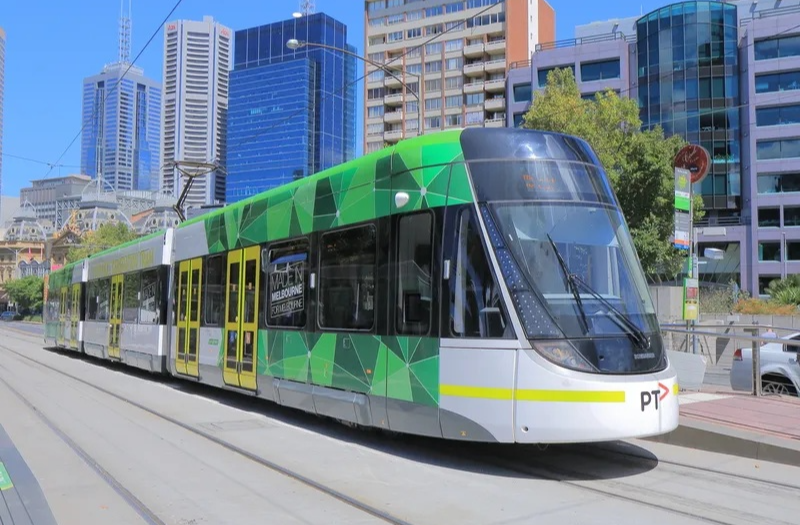
🇦🇺 Free Public Transport Measures Expand to Offset Rising Fuel Costs
Victoria and Tasmania have introduced expanded free public transport schemes to ease cost-of-living pressures driven by rising fuel prices. The initiatives aim to reduce private vehicle use while supporting a longer-term shift toward more sustainable mobility.
[READ MORE]
|
|
|
🇵🇰 Subsidized Public Transport Scaled Up to Support Mobility Affordability
Pakistan has strengthened subsidized public transport to cushion lower- and middle-income groups from rising fuel costs. The policy aims to maintain mobility access to essential services while supporting broader economic activity and reducing transport inequality.
[READ MORE]
|
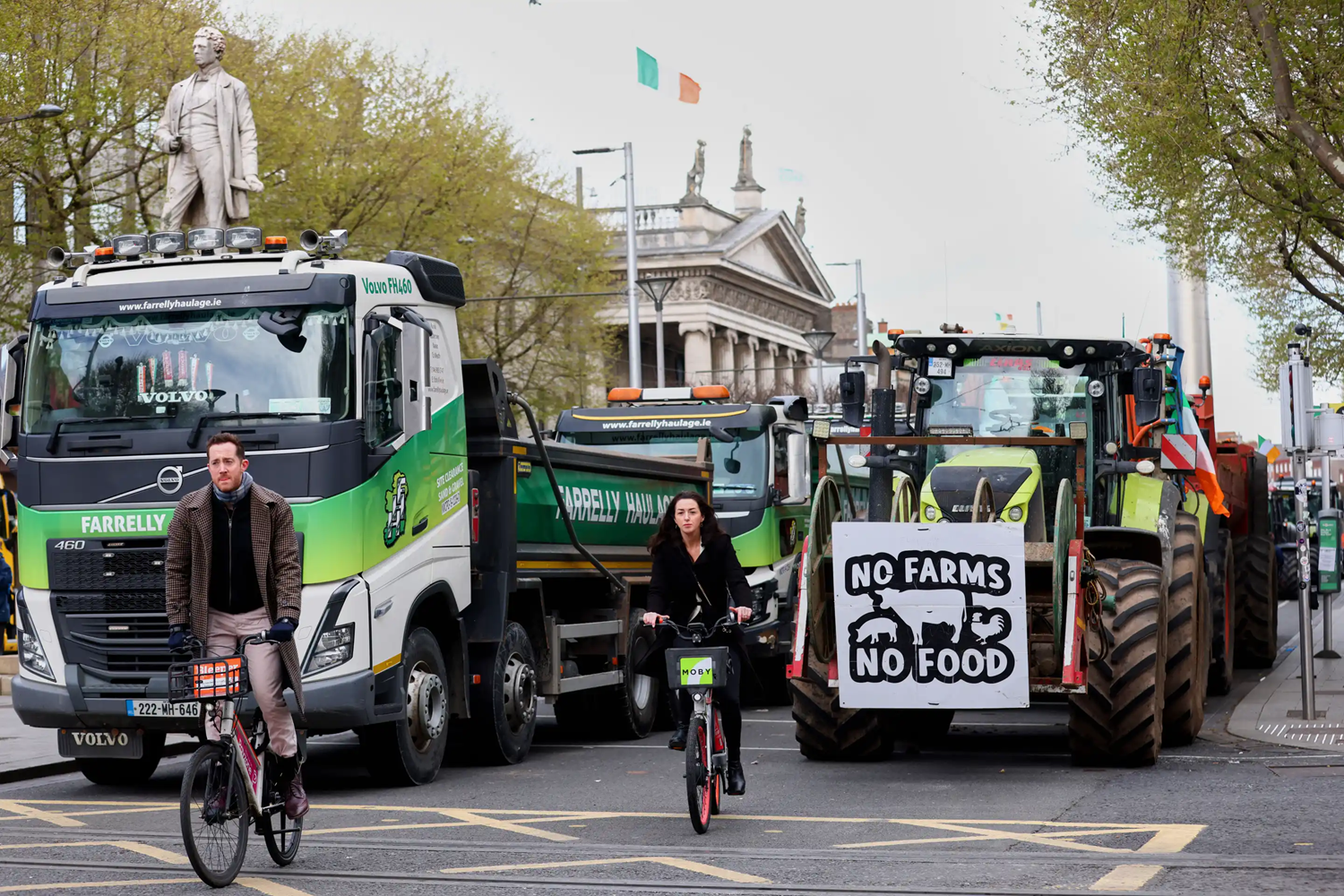
🇮🇪 Calls Grow to Cut Public Transport Costs Amid Energy Crisis
Irish lawmakers are urging a 10% reduction in public transport fares and expanded remote working to ease commuting costs during the energy crisis. The proposal comes alongside government fuel tax cuts aimed at providing short-term relief to households.
[READ MORE]
|
|
|
✈️ War Risk Economics Reshape Global Air Cargo Pricing
Air cargo rates are rising as Middle East disruptions force rerouting, increasing fuel use, insurance costs, and delays. Carriers are adding war-risk surcharges, making pricing more volatile and prompting longer routes and logistics adjustments.
[READ MORE] |
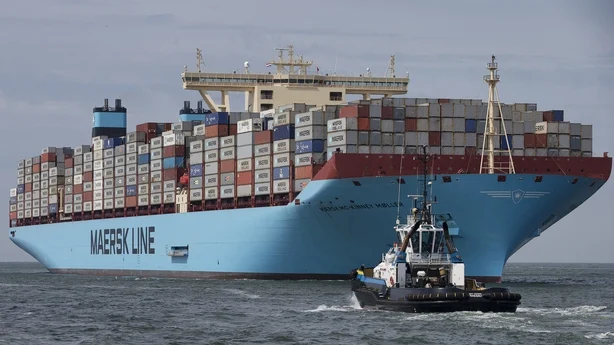
🚢 Shipping Firms Divert Vessels Amid Middle East Disruptions
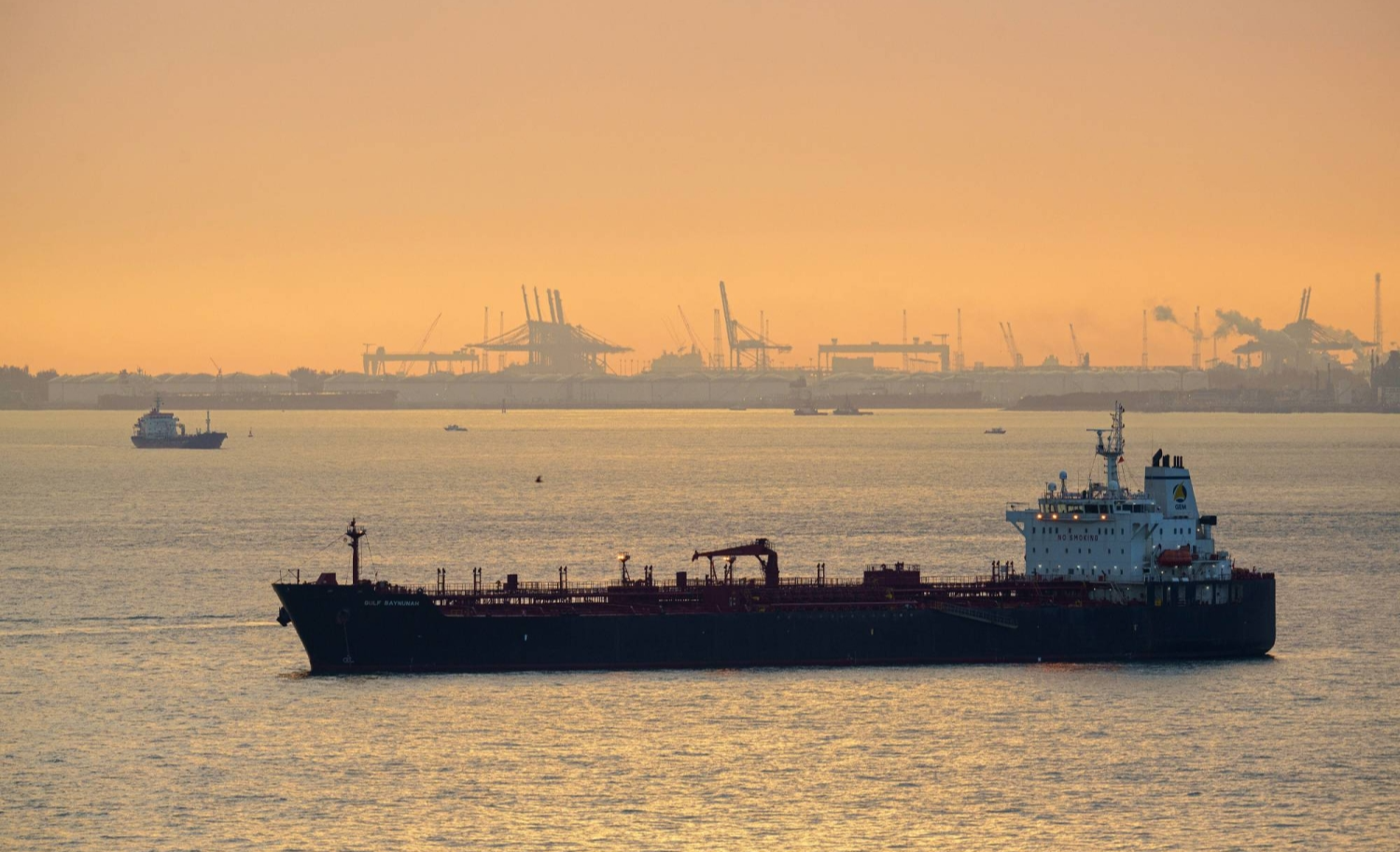
Maersk, Hapag-Lloyd, and CMA CGM are diverting vessels around Africa, avoiding key maritime chokepoints. The shift is increasing transit times and driving additional surcharges across global shipping networks.
|
|
|
✈️ SATS Monitors Middle East Conflict as Air Cargo Supply Chains Disrupt
SATS is monitoring disruptions in the Middle East as airspace closures force global air cargo to reroute through alternative corridors. The company says its network in the Gulf helps maintain operations despite delays and shifting trade lanes.
|
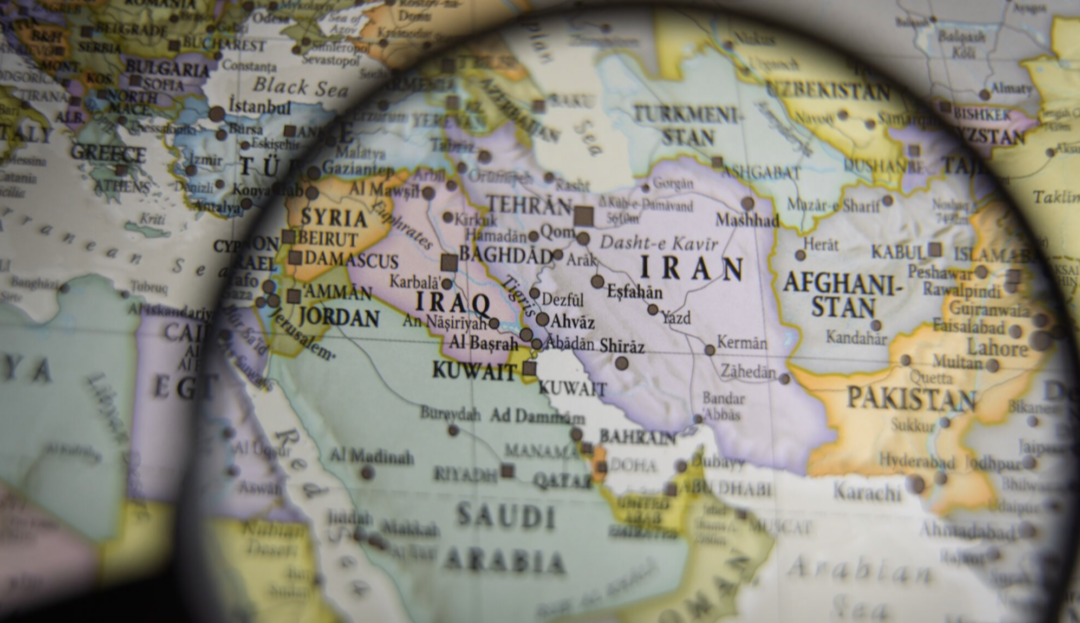
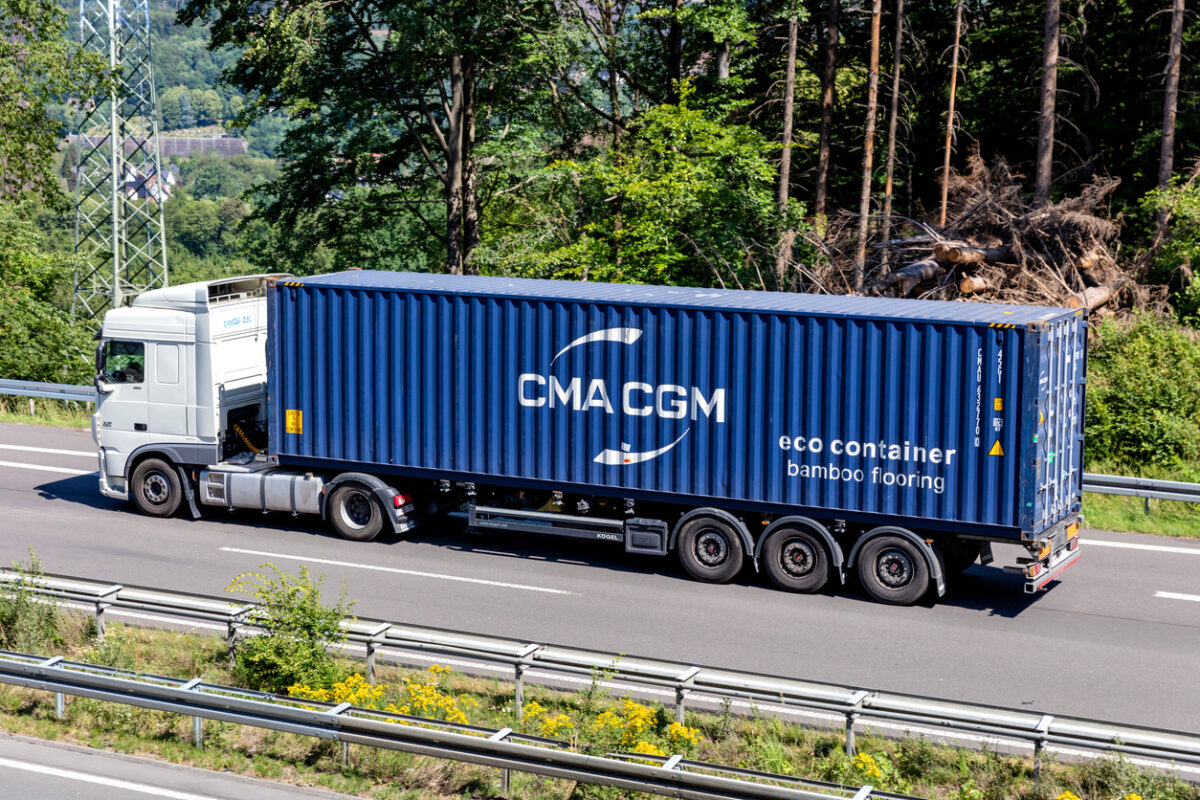
🔀 Multimodal Rerouting to Sustain Middle East Trade Flows Amid Strait of Hormuz Risk
CMA CGM is deploying integrated maritime, road, and rail corridors through alternative Gulf hubs such as Oman and the UAE to bypass Strait of Hormuz disruption risks. This multimodal rerouting strategy maintains regional supply chain continuity amid ongoing geopolitical tensions.
|
|
|
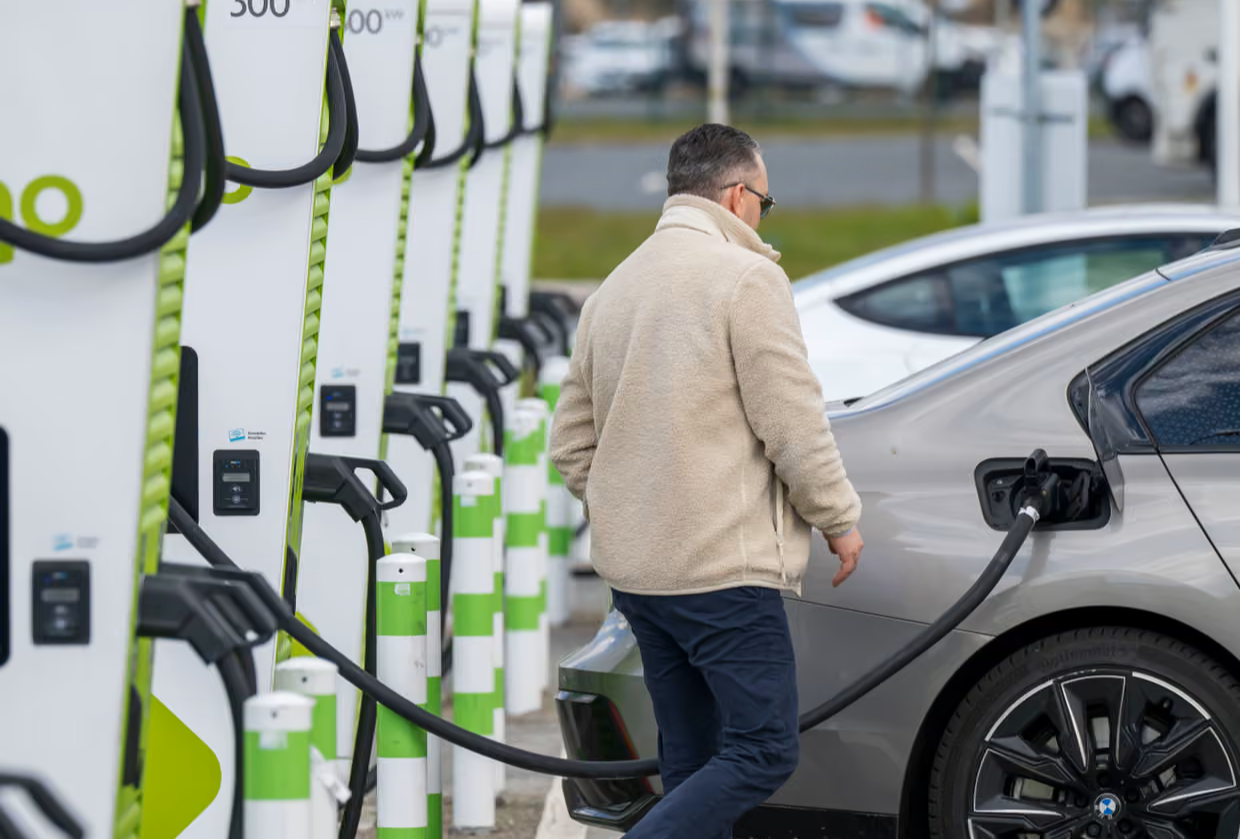
🇰🇷 High Fuel Prices Drive Faster EV Adoption, Payback Nears One Year
Rising fuel prices are accelerating EV demand in Korea, with lower ownership costs and shorter payback periods boosting the shift from combustion vehicles. The trend signals a faster shift toward electrification in the mobility sector.
|
🇩🇪 Fuel Prices Accelerate EV Demand
Rising fuel costs in Germany are driving stronger EV uptake, with battery EV registrations jumping sharply as consumers respond to higher diesel and gasoline prices and improved cost competitiveness of electric vehicles.
|
|
|
🇪🇺 Fuel Costs Drive Record EV Sales Surge
Surging fuel prices across Europe are accelerating electric vehicle adoption, with EV sales rising sharply as consumers shift toward more cost-efficient and energy-secure mobility options.
|
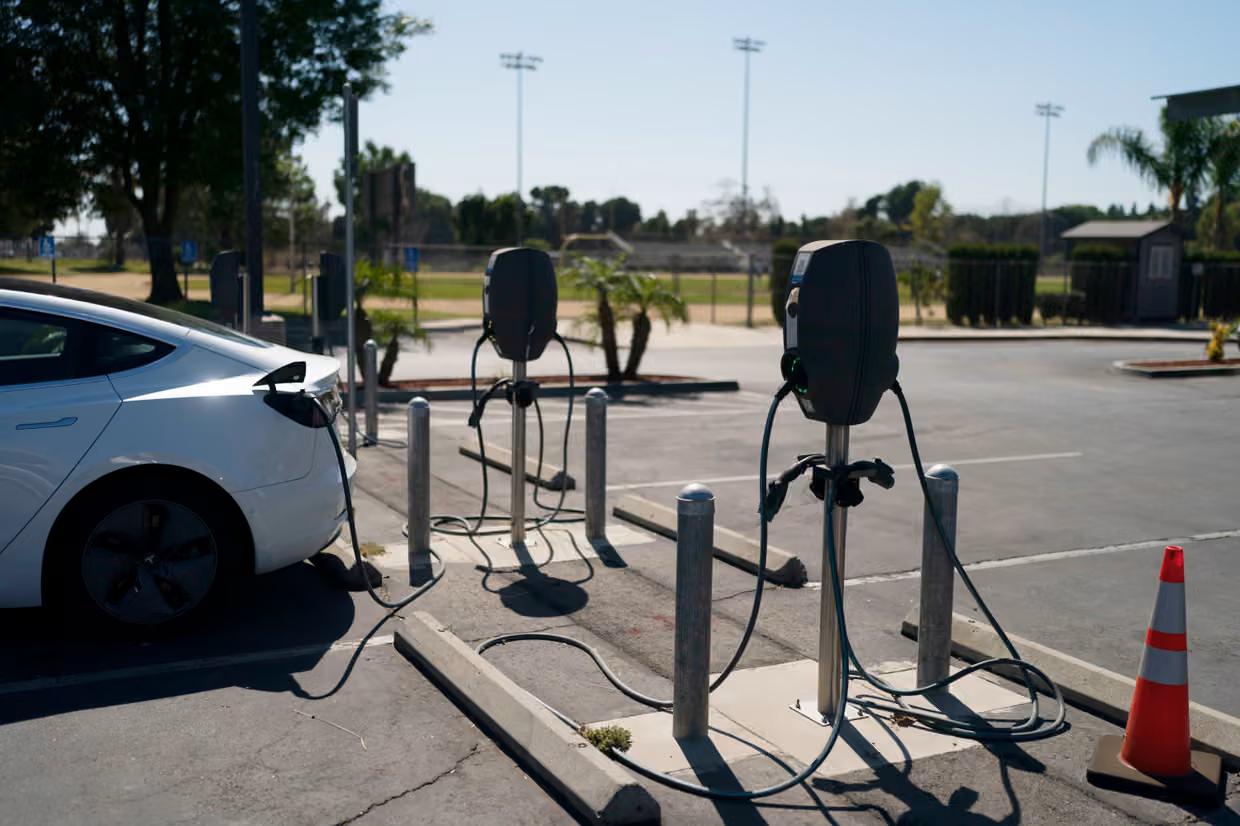
🇺🇸 High Fuel Prices Drive Faster EV Adoption
Rising gasoline prices linked to geopolitical tensions are boosting EV demand in the U.S., as consumers shift toward lower operating costs. The trend is accelerating electric vehicle adoption amid growing cost sensitivity.
|
|
|
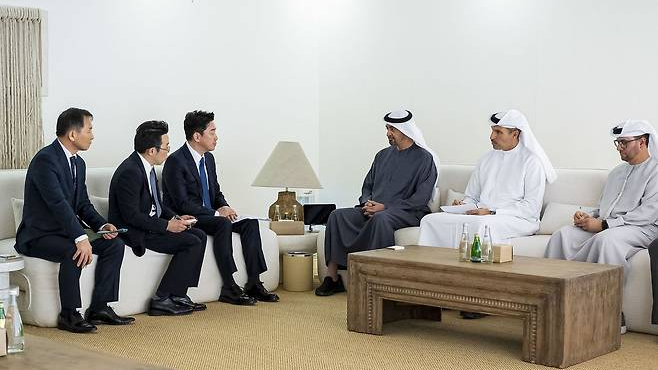
🇰🇷 Secures 273 Million Barrels in Middle East Supply Push
South Korea has secured crude oil and naphtha supplies through agreements with key Middle Eastern partners to strengthen energy security amid geopolitical uncertainty. The initiative also focuses on diversifying routes and improving logistics resilience.
[READ MORE]
|
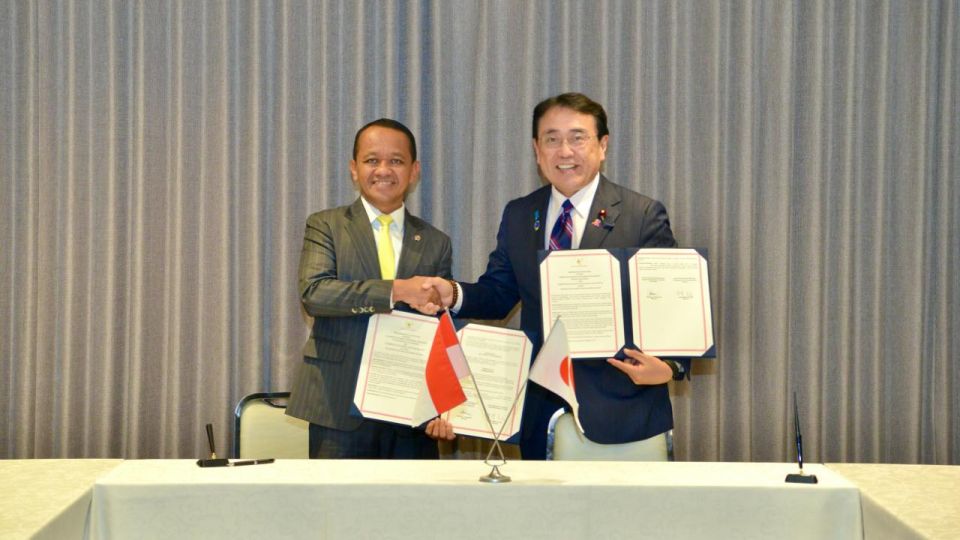
🇮🇩🇯🇵 Strengthen Critical Minerals and Energy Security Cooperation
Indonesia and Japan have agreed to strengthen cooperation on critical minerals supply chains and nuclear energy to enhance energy security amid global uncertainty. The partnership aims to improve supply reliability and support clean energy transition efforts.
|
|
|
🇦🇺 Turns to Asia for Fuel and Energy Security Amid Global Disruptions
Australia is strengthening energy security ties with regional partners such as Singapore and Japan to ensure stable fuel supplies amid global supply disruptions and geopolitical tensions. The strategy focuses on securing diesel and gasoline flows while deepening regional cooperation to improve resilience in energy and trade networks.
|
🇺🇸 Natural Gas Positioned as Core Energy and National Security Asset
The U.S. positions its domestic natural gas supply as a key pillar of energy security and national defense, helping shield the economy from global price shocks while supporting military readiness. The strategy also emphasizes infrastructure expansion to strengthen resilience amid geopolitical instability.
|
|
|
|